

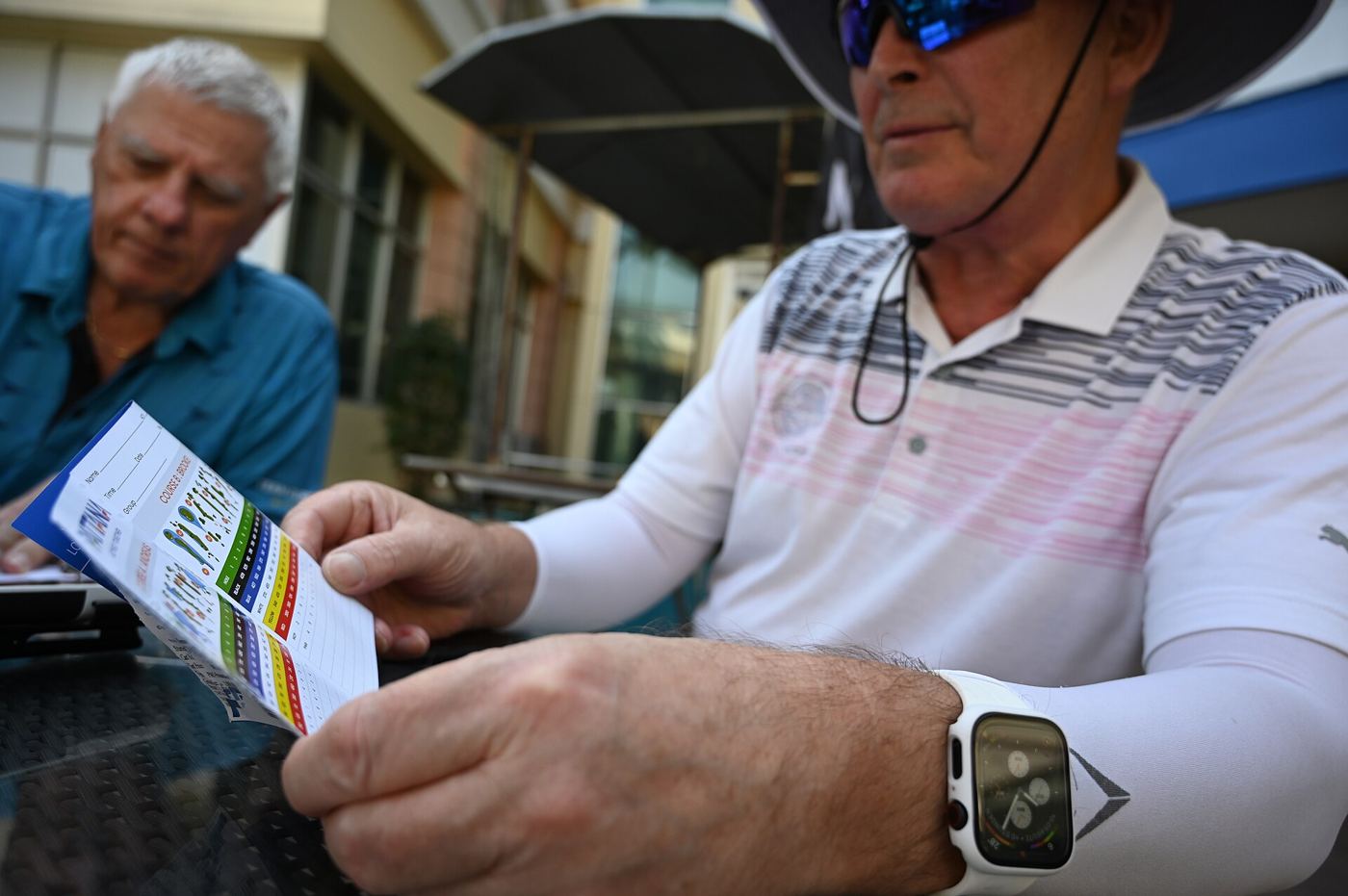
A watch that calls an ambulance when its wearer cannot is no longer science fiction; it is a feature millions of people already wear on their wrist. Apple introduced fall detection with the Apple Watch Series 4 in 2018, using the watch’s accelerometer and gyroscope, which measure forces of up to 32 times gravity, to recognise the pattern of a hard fall. When one is detected, the watch taps the wrist, sounds an alarm and asks if the wearer is all right; if there is no response, it calls emergency services and sends the wearer’s location to emergency contacts. A 2022 study in the journal npj Digital Medicine found the watch correctly identified about 85 percent of simulated severe falls in controlled tests. The real-life stories are striking: in 2019 a 67-year-old man in Norway fainted and hit his head, and his watch called the police, with help arriving within half an hour. In 2023, an 83-year-old man in Cincinnati collapsed alone on a riverside trail, and his watch summoned paramedics who found the blood clot that had caused his fall.
What the Evidence Shows
The technology is impressive, but it is not foolproof, and the companies that sell it are careful to say so. Studies show detection rates fall for gentler falls, such as slipping off a kerb or fainting while seated, and there are documented cases where a watch missed a serious fall altogether. False alarms are the other problem: hard braking, roller coasters and ski lifts have all triggered alerts, which is why the feature is switched on by default mainly for older wearers, who face the greatest risk from a fall alone at home. Other makers have followed Apple, with Samsung, Google and Garmin offering fall or incident detection on their own watches. A smartwatch cannot replace a medical alert system or a check-in from a neighbour, but for an older person living alone, or a runner on a quiet trail, it is a safety net that is always charged, always worn and always listening for the one moment it is needed. Reporting and analysis from sources such as IEEE Spectrum track the same developments, and specialists following smartwatch fall detection say the direction is now consistent across independent lines of evidence.
The Wider Context
Adoption of smartwatch fall detection follows a familiar pattern with an unfamiliar speed. Early users tolerate rough edges in exchange for advantage, mainstream users arrive when the tool disappears into existing workflows, and the market consolidates around whoever made that transition feel effortless. Vendors are racing less on raw performance now than on integration, support and trust.
What Happens Next
The realistic forecast for smartwatch fall detection is steady integration rather than sudden replacement: embedded in products people already use, improving in increments, and regulated in proportion to its reach. The companies and institutions that plan on that basis, training staff and redesigning processes instead of chasing launches, are the ones the adoption data tends to vindicate. You can follow related developments in our coverage of technology.
It is also worth remembering how quickly the picture in this area has changed before. Positions that looked settled a few years ago have been revised as new data arrived, and the same humility is appropriate now. The strongest coverage of this subject, and the most useful advice, tends to come from sources that update their views openly when the facts move, rather than defending an earlier position long after it has stopped fitting the evidence available.
