

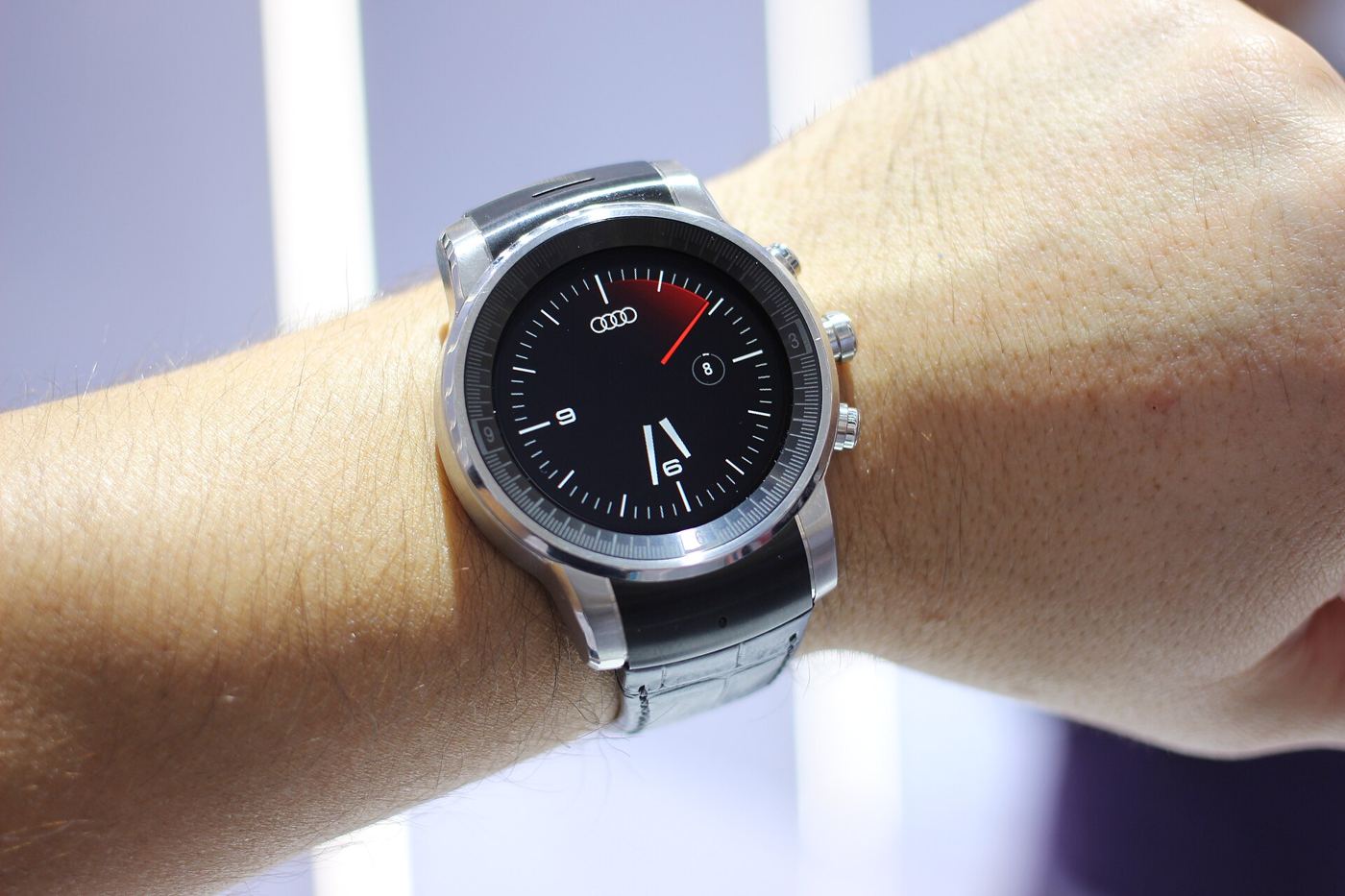
The watch on a wrist and the ring on a finger have become quiet health monitors. Modern wearables carry sensors that measure heart rate around the clock, track sleep stages, estimate blood oxygen, count steps and, in some models, record a simple heart rhythm trace or estimate blood pressure trends. The data is gathered passively, day and night, and presented as simple charts and scores that show how the body is responding to exercise, stress, illness and poor sleep. For many people, the first sign of a problem is not a symptom but a notification: a resting heart rate that has crept up, a night of broken sleep, or an irregular rhythm flagged by the device. Doctors are increasingly interested in this long stream of everyday data, because it shows patterns that a single clinic visit cannot capture. A heart that looks fine during a ten-minute appointment may behave very differently during a run, a stressful meeting or a night of sleep.
What the Evidence Shows
The technology is not a replacement for medical care, and its limits matter. Consumer sensors can be confused by movement, tattoos, cold hands and loose straps, and their readings are estimates rather than clinical measurements. False alarms can cause worry, while a normal-looking reading can give false reassurance, so health agencies stress that wearables should prompt a conversation with a doctor rather than a diagnosis. Privacy is another concern, since health data is among the most sensitive information a device can collect, and users should check what is stored, shared and sold. Even with those caveats, the trend is clear. Wearables are moving from fitness gadgets to early-warning tools, and researchers are testing whether they can spot infections, sleep disorders and heart problems earlier than before. The device on the wrist is becoming a first line of observation, not just a pedometer. Used wisely, they can turn vague feelings of tiredness into data worth discussing with a clinician. Reporting and analysis from sources such as IEEE Spectrum track the same developments, and specialists following wearable health sensors say the direction is now consistent across independent lines of evidence.
The Wider Context
Adoption of wearable health sensors follows a familiar pattern with an unfamiliar speed. Early users tolerate rough edges in exchange for advantage, mainstream users arrive when the tool disappears into existing workflows, and the market consolidates around whoever made that transition feel effortless. Vendors are racing less on raw performance now than on integration, support and trust.
What Happens Next
The realistic forecast for wearable health sensors is steady integration rather than sudden replacement: embedded in products people already use, improving in increments, and regulated in proportion to its reach. The companies and institutions that plan on that basis, training staff and redesigning processes instead of chasing launches, are the ones the adoption data tends to vindicate. You can follow related developments in our coverage of technology.
It is also worth remembering how quickly the picture in this area has changed before. Positions that looked settled a few years ago have been revised as new data arrived, and the same humility is appropriate now. The strongest coverage of this subject, and the most useful advice, tends to come from sources that update their views openly when the facts move, rather than defending an earlier position long after it has stopped fitting the evidence available.
