

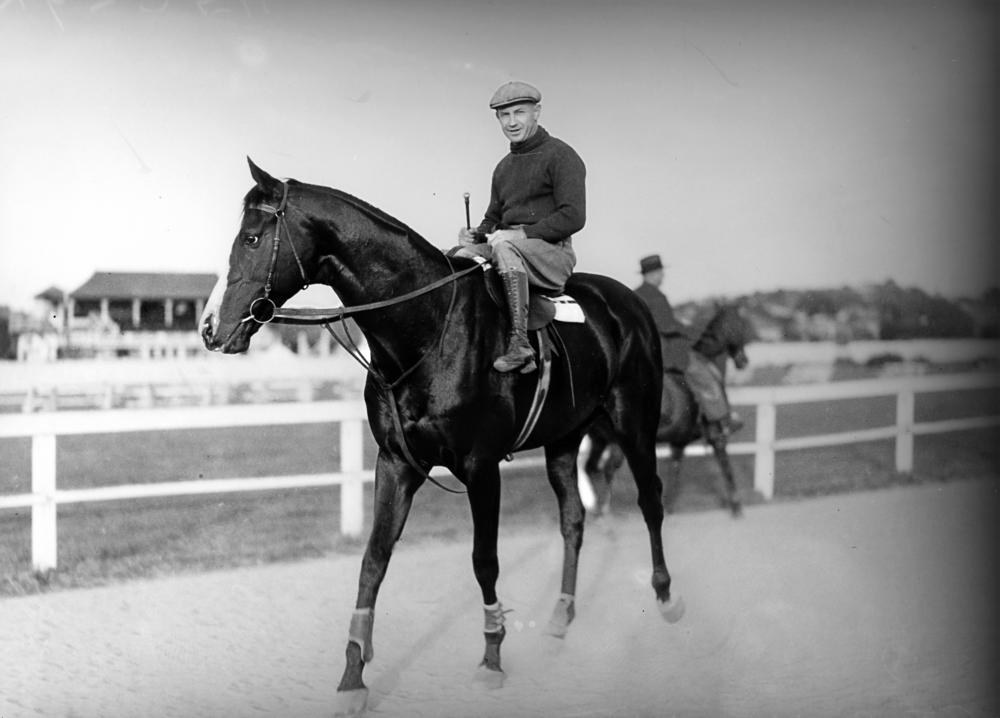
Horse racing is one of humanity’s oldest selective breeding experiments. For roughly three centuries, breeders have paired fast horses with fast horses, recorded the results in stud books, and refined a breed — the Thoroughbred — capable of sustaining speeds no other horse can match. What has changed in the last generation is not the goal but the toolkit: where breeders once relied on pedigree lore and a practised eye, they now have genomics, biomechanics and performance data on an industrial scale.
The question science is trying to answer is deceptively simple: what makes one horse faster than its near-identical cousins? This article looks at what researchers have found, from the genes that govern muscle and distance aptitude to the training methods that turn potential into performance — and at the welfare questions that shadow the whole enterprise.
For racing science, breeding and turf technology, follow TurfEpicNo, where we look at the evidence behind the sport.
Three centuries of selection, one stud book
Every Thoroughbred alive descends from a closed population founded in Britain in the late seventeenth and early eighteenth centuries, with pedigrees traced to three imported stallions. Because the stud book has been closed ever since, the breed is a genetic time capsule — and a remarkably uniform one. Modern racehorses are, genetically speaking, close relatives, which makes the remaining variation that does separate champions from also-rans all the more valuable to understand.
Traditional breeding craft weighs the sire’s and dam’s race records, the distance at which they excelled, conformation — the geometry of legs, shoulder and hindquarters — and something horsemen call class, an intangible will to compete. That craft produced steady improvement for centuries, but winning times at classic distances have largely plateaued in recent decades, prompting scientists to ask whether the breed is approaching a physiological ceiling or whether traditional methods simply select inefficiently.
What the genes actually say
Genomics gave the sport its first genuinely predictive tool with the discovery of the so-called speed gene: a variant in the myostatin gene, which regulates muscle development. Horses carrying two copies of one version tend to be muscular sprinters suited to short distances; those with the alternative version develop the leaner build of stayers. The test, validated in research published in journals including Nature‘s portfolio, lets breeders match matings to the distances they want to target instead of guessing from pedigree alone.
Beyond single genes, genomic selection scores thousands of markers at once to estimate breeding value — the same approach that transformed dairy cattle. Studies suggest such scores can identify a young horse’s likely aptitude years before it races. Yet genes set the range, not the result: a large share of performance still comes down to soundness, training, nutrition and luck, which is why no test has made breeding a formula.
Training the engine science built
A racehorse is an extreme athlete: a heart that can beat over 200 times a minute, a spleen that injects extra red blood cells into circulation during exercise, and lungs processing enormous volumes of air. Modern training treats that physiology with scientific respect — heart-rate monitors and GPS trackers quantify every gallop, blood tests track recovery, and treadmill studies measure oxygen uptake to tailor conditioning to the individual.
Injury prevention is where the science pays most visibly. Bone adapts to training load, and workload data can flag horses building toward stress fractures before they happen. Racing regulators such as the British Horseracing Authority increasingly require data-informed veterinary checks, reflecting a sport learning that the fastest horse is worthless if it cannot stay sound.
Speed, welfare and the limits of selection
The science carries an ethical shadow. Selecting hard for speed can concentrate genes linked to fragility, and a closed stud book limits the genetic diversity available to correct course. Critics argue the industry must weigh genetic gain against the welfare cost of breakdowns; defenders reply that modern, data-led breeding can select for durability as deliberately as for pace — and that veterinary science has never known more about keeping horses sound.
The honest summary is that breeding a faster racehorse is no longer purely an art, but it is not yet a solved science either. Genes load the dice; horsemanship, training and chance still roll them. As genomic tools sharpen, the breeders who thrive will be those who combine the data with the old virtues: patience, observation and care for the animal. See our latest coverage for more on equine science and racing.
