

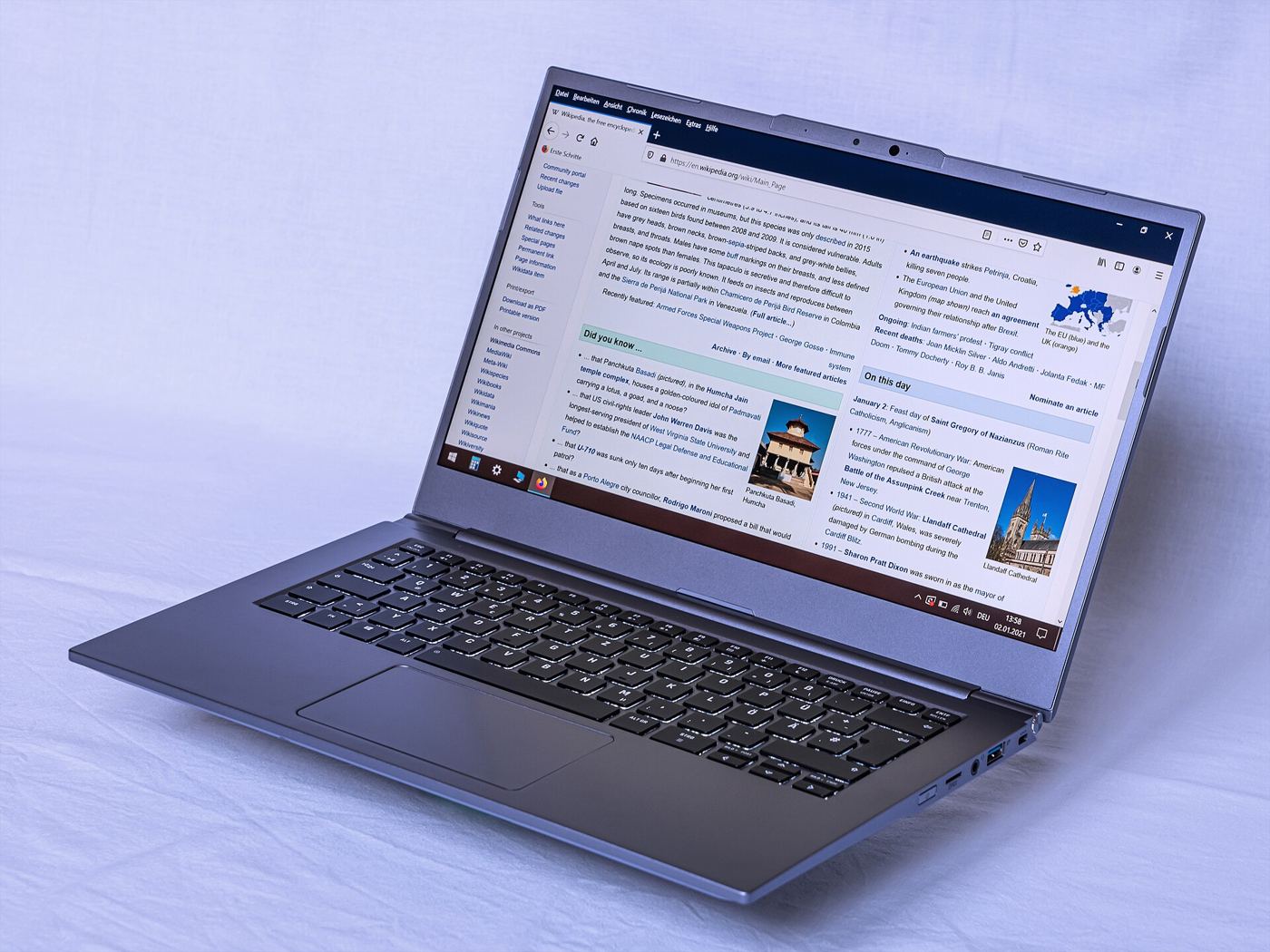
Schools are expanding schemes that lend tablets and laptops to pupils so homework, reading and revision can travel home instead of stopping at the school gate. Teachers say the change matters most for families sharing a single phone or relying on an ageing computer, where an online assignment can become a negotiation over screen time rather than a piece of learning. Devices are usually preloaded with the apps and textbooks a class actually uses, with filters and management tools set by the school, and many schemes include a protective case, a charger and simple guidance for parents. Head teachers stress that lending is not about replacing handwriting or classroom teaching, but about making sure the digital parts of a course are equally available to every child in the class, whatever their circumstances at home may be on any given evening of the school week.
What the Evidence Shows
Running a lending library of devices brings practical work that schools are learning to organise well. Stock must be tracked, breakages repaired quickly and machines wiped and updated between loans, while lost chargers and cracked screens need a fair policy that does not punish the families the scheme exists to help. Funding is mixed, combining school budgets, local business donations and refurbished machines from companies upgrading their own equipment, which keeps costs down and electronic waste out of landfill. Early evaluations focus on homework completion and reading time rather than test scores alone, and librarians running the schemes report that pupils treat borrowed machines carefully when the rules are clear and the loan feels like trust rather than charity. The longer question is connectivity, since a device without affordable home internet still leaves work unfinished, so some schools pair lending with discounted data deals. Reporting and analysis from sources such as IEEE Spectrum track the same developments, and specialists following school device lending schemes say the direction is now consistent across independent lines of evidence.
The Wider Context
Adoption of school device lending schemes follows a familiar pattern with an unfamiliar speed. Early users tolerate rough edges in exchange for advantage, mainstream users arrive when the tool disappears into existing workflows, and the market consolidates around whoever made that transition feel effortless. Vendors are racing less on raw performance now than on integration, support and trust.
What Happens Next
The realistic forecast for school device lending schemes is steady integration rather than sudden replacement: embedded in products people already use, improving in increments, and regulated in proportion to its reach. The companies and institutions that plan on that basis, training staff and redesigning processes instead of chasing launches, are the ones the adoption data tends to vindicate. You can follow related developments in our coverage of technology.
It is also worth remembering how quickly the picture in this area has changed before. Positions that looked settled a few years ago have been revised as new data arrived, and the same humility is appropriate now. The strongest coverage of this subject, and the most useful advice, tends to come from sources that update their views openly when the facts move, rather than defending an earlier position long after it has stopped fitting the evidence available.
