

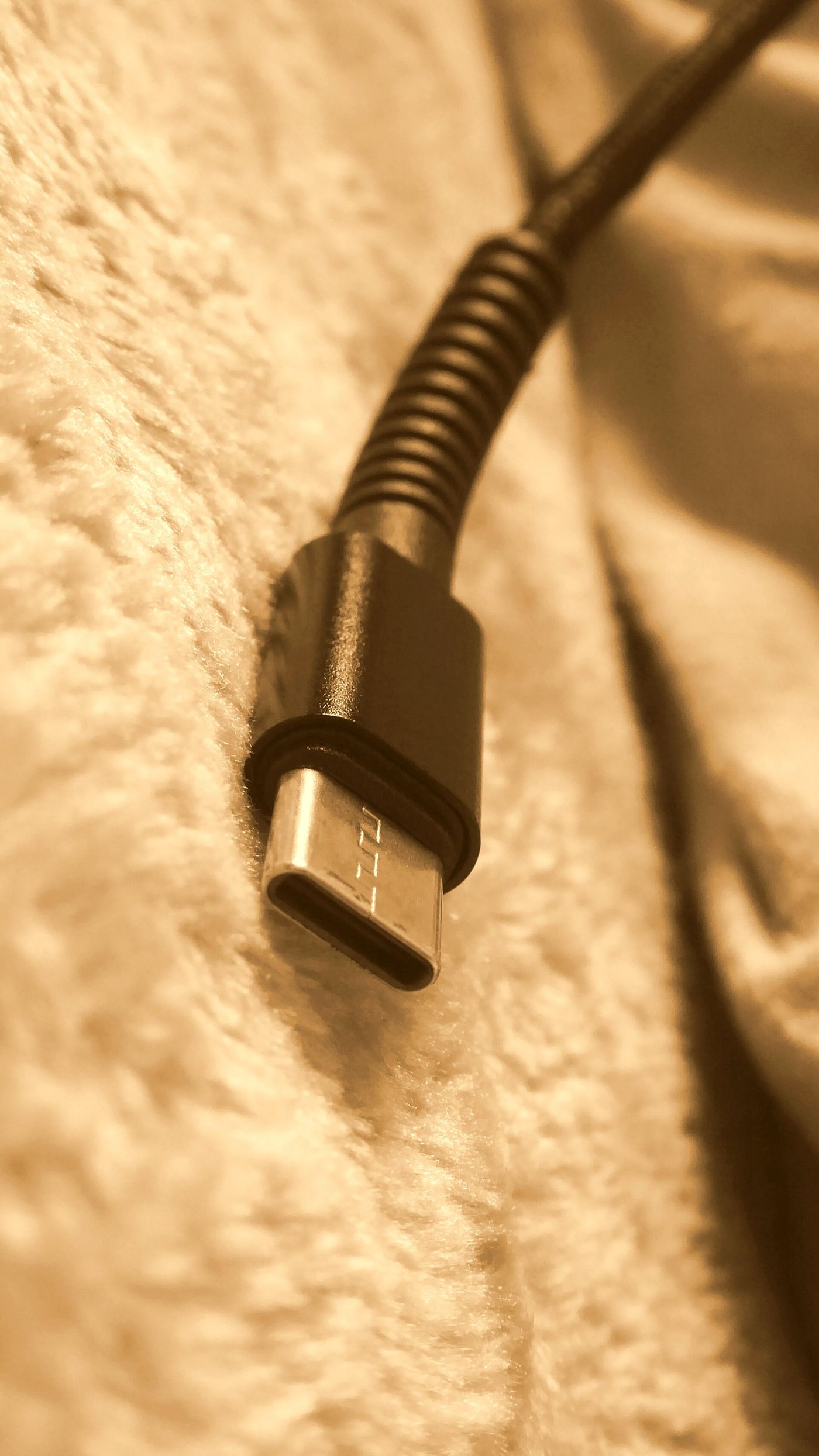
The drawer full of tangled chargers is finally getting thinner. USB-C, the small oval connector now found on almost every new phone, tablet and laptop, has become the single standard for charging, and the European Union has made it law. Since 28 December 2024, new phones, tablets, cameras, headphones, earbuds, speakers, e-readers, keyboards and game consoles sold in the European Union must charge over USB-C, and laptops joined the list on 28 April 2026. The rule means one charger can power nearly everything a household owns, and devices can be bought without a charger in the box. The European Commission says the change will save consumers about 250 million euros a year and cut the roughly 11,000 tonnes of discarded chargers thrown away annually. Apple, the last major holdout, moved the iPhone to USB-C in 2023, ending the long era of the Lightning cable.
What the Evidence Shows
One connector does not mean one speed, and that is where buyers need to be careful. The USB-C shape is only the plug; the power and data a cable carries depend on the standards behind it, from basic charging to USB Power Delivery at up to 240 watts for large laptops. A cheap cable may charge a phone slowly or fail to carry a video signal, so the wattage printed on the charger and the cable matters. The European rules also require clear labels showing charging power and fast-charging support, so buyers can match charger to device. Wireless charging remains outside the rules for now, and the Commission is studying whether to add smartwatches, drones and other devices later. For most people, though, the change is already visible: one cable in the bag, one charger on the desk, and far fewer drawers full of obsolete plugs. Reporting and analysis from sources such as IEEE Spectrum track the same developments, and specialists following USB-C common charger say the direction is now consistent across independent lines of evidence.
The Wider Context
Adoption of USB-C common charger follows a familiar pattern with an unfamiliar speed. Early users tolerate rough edges in exchange for advantage, mainstream users arrive when the tool disappears into existing workflows, and the market consolidates around whoever made that transition feel effortless. Vendors are racing less on raw performance now than on integration, support and trust.
What Happens Next
The realistic forecast for USB-C common charger is steady integration rather than sudden replacement: embedded in products people already use, improving in increments, and regulated in proportion to its reach. The companies and institutions that plan on that basis, training staff and redesigning processes instead of chasing launches, are the ones the adoption data tends to vindicate. You can follow related developments in our coverage of technology.
It is also worth remembering how quickly the picture in this area has changed before. Positions that looked settled a few years ago have been revised as new data arrived, and the same humility is appropriate now. The strongest coverage of this subject, and the most useful advice, tends to come from sources that update their views openly when the facts move, rather than defending an earlier position long after it has stopped fitting the evidence available.
