

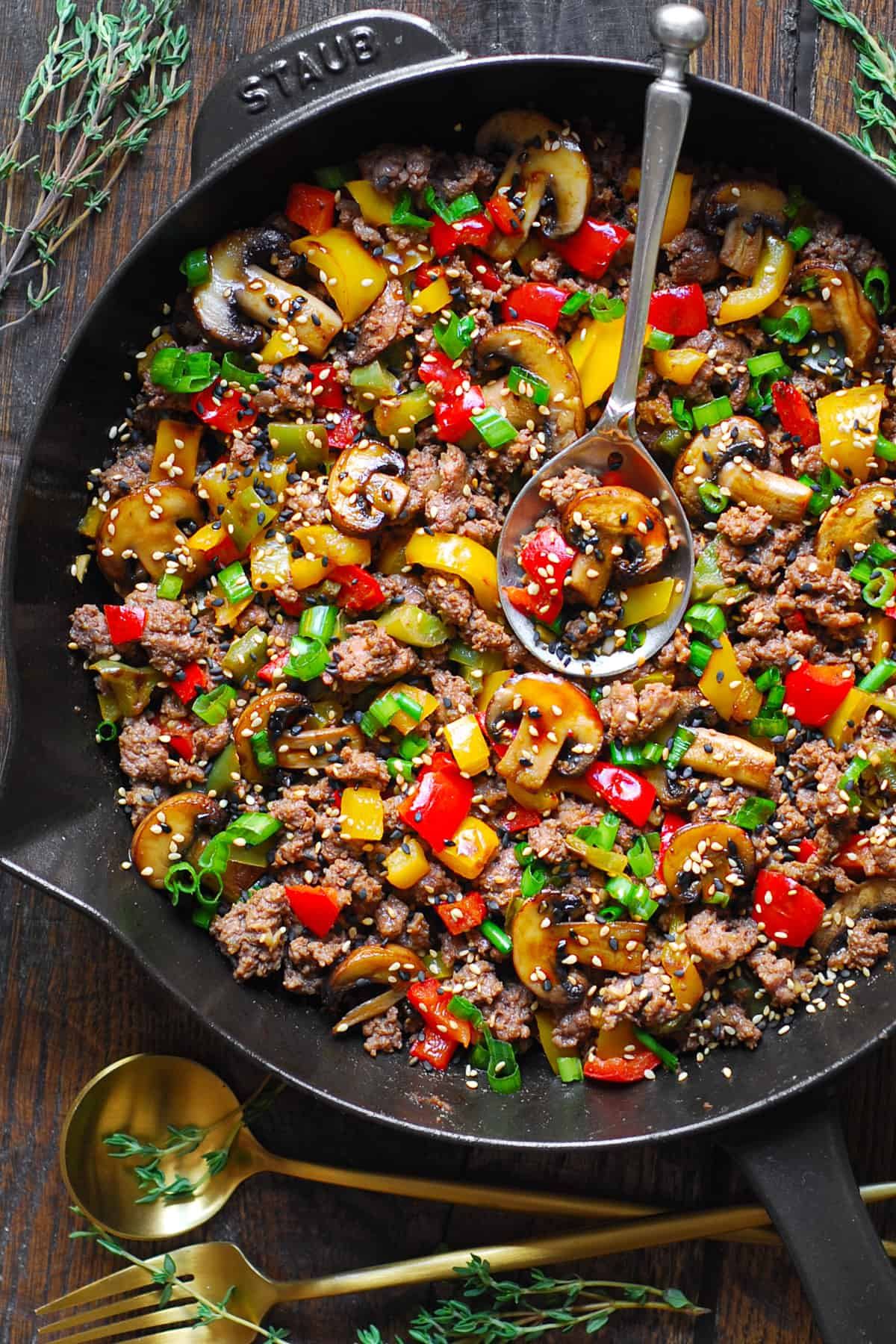
As evenings darken, nutrition advisers are pointing home cooks towards a reassuringly simple pattern for winter eating. A plate built around seasonal vegetables, beans or grains, finished with a drizzle of olive oil, offers colour, fibre and flavour without complicated recipes or expensive ingredients. Specialists following seasonal vegetable eating say root vegetables, cabbage, leeks, carrots and frozen greens deserve more attention than they usually receive. They keep well, cost less than imported produce and suit slow cooking methods that warm the kitchen. Olive oil adds richness that helps a modest vegetable dish feel satisfying rather than sparse. Dietitians encourage people to think in terms of additions rather than restrictions. Adding an extra vegetable to a soup, stirring greens through pasta, or roasting a tray of mixed roots alongside a usual meal all move eating in a healthier direction gently. Variety across the week matters more than perfection on a single day. A colourful plate is a useful guide, but the real goal is a pattern of eating that people enjoy enough to repeat all winter long.
What the Evidence Shows
Shopping with the seasons also reduces waste and supports local growers where they are available. Market stalls and supermarkets both highlight British and regional produce at this time of year, and frozen vegetables remain a nutritious, affordable backup when fresh supplies run low. Specialists following seasonal vegetable eating recommend batch cooking vegetable soups and stews, then freezing portions for busy evenings when cooking from scratch feels difficult. A simple dressing of olive oil, lemon and herbs can lift leftovers and make the same ingredients taste new again. Families are encouraged to involve children in washing, tearing and arranging vegetables, because familiarity often makes new flavours easier to accept. Nutrition is rarely transformed by one fashionable ingredient. Instead, steady habits built around ordinary foods tend to last. A winter plate centred on vegetables, good oil, grains and protein is not a strict diet. It is a flexible way of eating that fits real budgets and appetites. Reporting and analysis from sources such as The Lancet track the same developments, and specialists following seasonal vegetable eating say the direction is now consistent across independent lines of evidence.
The Wider Context
Equity runs through every discussion of seasonal vegetable eating. Interventions that require apps, fees or free weekday afternoons reliably reach the people who need them least, so the programmes earning praise are those designed around clinics, workplaces and community venues that already serve everyone. Evaluation reports now publish uptake by income and region as a matter of routine.
What Happens Next
The practical takeaway on seasonal vegetable eating is deliberately unglamorous: it works best as part of ordinary, well-delivered care rather than as a standalone fix. Health services are planning on that basis, building the referral routes and follow-up that turn a promising result into population benefit. The gains arrive slowly and then, in the statistics, unmistakably. You can follow related developments in our coverage of health.
It is also worth remembering how quickly the picture in this area has changed before. Positions that looked settled a few years ago have been revised as new data arrived, and the same humility is appropriate now. The strongest coverage of this subject, and the most useful advice, tends to come from sources that update their views openly when the facts move, rather than defending an earlier position long after it has stopped fitting the evidence available.
