

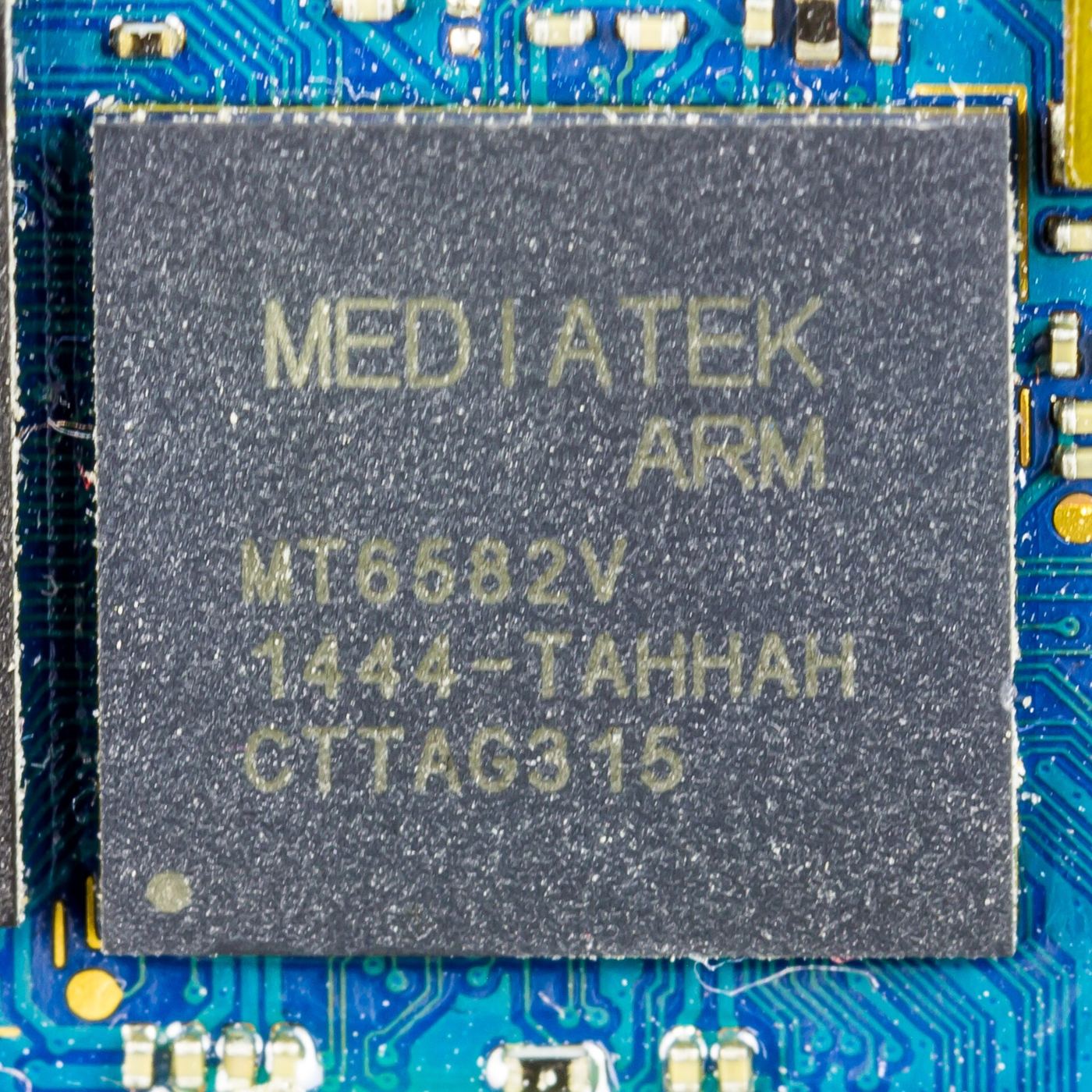
Modern smartphones are gaining a new kind of brain: specialised chips designed to run artificial intelligence tasks directly on the phone, without sending data to distant servers. These chips handle jobs such as recognising faces in photos, transcribing voice notes, translating conversations in real time and sharpening night-time pictures, all while the phone stays offline. Engineers say the shift matters for two reasons: it is faster, since there is no round trip to a data centre, and it is more private, since personal photos and messages never leave the device. Chip makers are competing to pack more AI power into ever smaller and more efficient processors, and phone makers are redesigning their software to take advantage of the new hardware. For users, the change is mostly invisible, showing up as features that simply work more quickly and without an internet connection. The technology is already visible in everyday features, from photo editing that happens instantly to voice assistants that understand commands without a connection.
What the Evidence Shows
The chips are not yet powerful enough to run the largest AI models, which still need the vast computing power of data centres, so phones handle the smaller, everyday tasks and hand the heavy work to the cloud. That split raises its own questions, since users may not always know which parts of a task were processed on their phone and which were sent away. Battery life is another trade-off, as AI work is power-hungry, and manufacturers are working to balance performance against the need for a phone to last the day. Industry analysts expect on-device AI to become standard within a few years, with the chips appearing first in flagship phones and then spreading to cheaper models. The long-term promise, they say, is a phone that understands its owner better while keeping more of that understanding to itself. Chip designers are also adding dedicated security features to these processors, keeping sensitive data such as fingerprints and face scans locked inside the chip itself. Reporting and analysis from sources such as IEEE Spectrum track the same developments, and specialists following the on-device AI smartphone chip say the direction is now consistent across independent lines of evidence.
The Wider Context
Adoption of the on-device AI smartphone chip follows a familiar pattern with an unfamiliar speed. Early users tolerate rough edges in exchange for advantage, mainstream users arrive when the tool disappears into existing workflows, and the market consolidates around whoever made that transition feel effortless. Vendors are racing less on raw performance now than on integration, support and trust.
What Happens Next
The realistic forecast for the on-device AI smartphone chip is steady integration rather than sudden replacement: embedded in products people already use, improving in increments, and regulated in proportion to its reach. The companies and institutions that plan on that basis, training staff and redesigning processes instead of chasing launches, are the ones the adoption data tends to vindicate. You can follow related developments in our coverage of technology.
It is also worth remembering how quickly the picture in this area has changed before. Positions that looked settled a few years ago have been revised as new data arrived, and the same humility is appropriate now. The strongest coverage of this subject, and the most useful advice, tends to come from sources that update their views openly when the facts move, rather than defending an earlier position long after it has stopped fitting the evidence available.
