

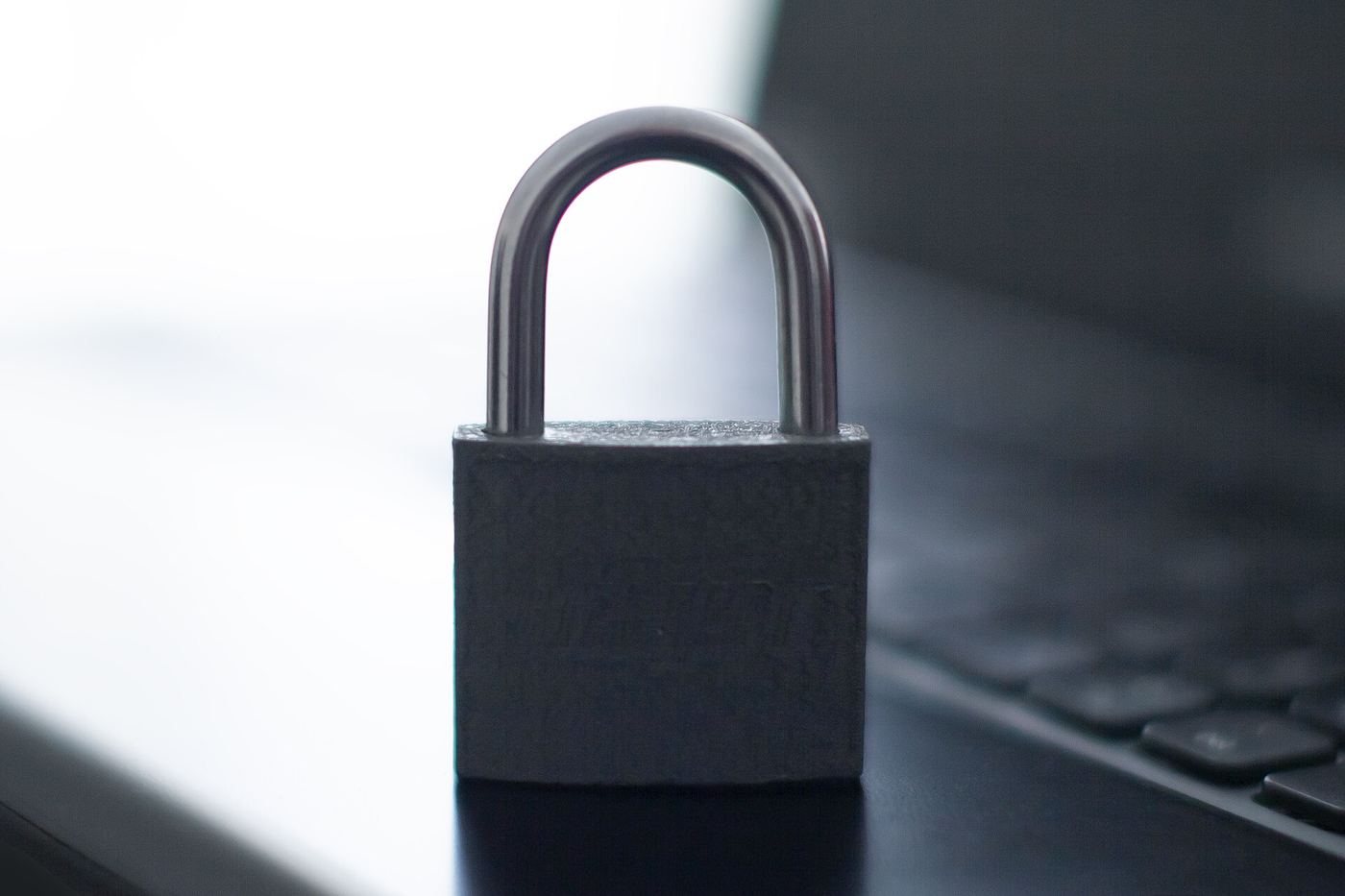
Online banking customers are being urged to check their security and privacy controls, after a rise in account takeover attempts that exploit weak passwords, reused logins and out-of-date recovery details. Banks say many victims had not enabled two-factor authentication, or had left an old phone number on file, which meant a fraudster who obtained a password could reset the account without the real owner knowing. The checks take only a few minutes: confirm the registered email and phone number, turn on app-based approvals, review which devices are logged in, and remove any that are unfamiliar. Consumer groups add that customers should also look at privacy settings in their browser and banking app, limiting data sharing and location access to what the service genuinely needs. With most banking now done on phones and laptops, these small settings have become the front door of personal finance, and leaving them unchecked is an open invitation to criminals.
What the Evidence Shows
Fraud specialists stress that banks will never ask a customer to move money to a safe account or to read out a one-time code, and that any call making such a request should be ended immediately. They also recommend unique passwords for banking, stored in a reputable password manager rather than reused across shopping and social media accounts. Customers should set up transaction alerts, so that any unexpected payment triggers an instant notification, and check statements weekly rather than monthly. If something looks wrong, reporting it quickly gives the bank the best chance of recovering funds. The broader message from the industry is that technology has made banking convenient, but convenience only stays safe when customers take a few minutes to keep their defences current. Taking these steps together costs little time, yet it closes the most common routes criminals use to reach other people’s money. Reporting and analysis from sources such as International Monetary Fund track the same developments, and specialists following banking security checks say the direction is now consistent across independent lines of evidence.
The Wider Context
The wider context is a financial system repricing risk after a long era of cheap money. Decisions shaped by banking security checks are being made under closer supervisory attention, with stress tests and disclosure rules that assume conditions can worsen quickly. Institutions that planned for the benign case are adjusting in public, which is uncomfortable and healthy in equal measure.
What Happens Next
What happens next with banking security checks will be visible first in the data that professionals watch weekly: flows, spreads and the terms on new deals. Participants who spoke for this article expect a period of adjustment rather than drama, with the biggest effects landing on those who assumed the old conditions were permanent. Planning, as ever, is the cheapest hedge. You can follow related developments in our coverage of finance.
There is a practical lesson in all of this for readers deciding what to do today. Start with the verified facts, be wary of anyone promising certainty, and prefer reversible steps while the evidence is still developing. Circumstances differ by country, income and personal situation, so general guidance should always be weighed against your own context before you act on it in any significant or lasting way.
