

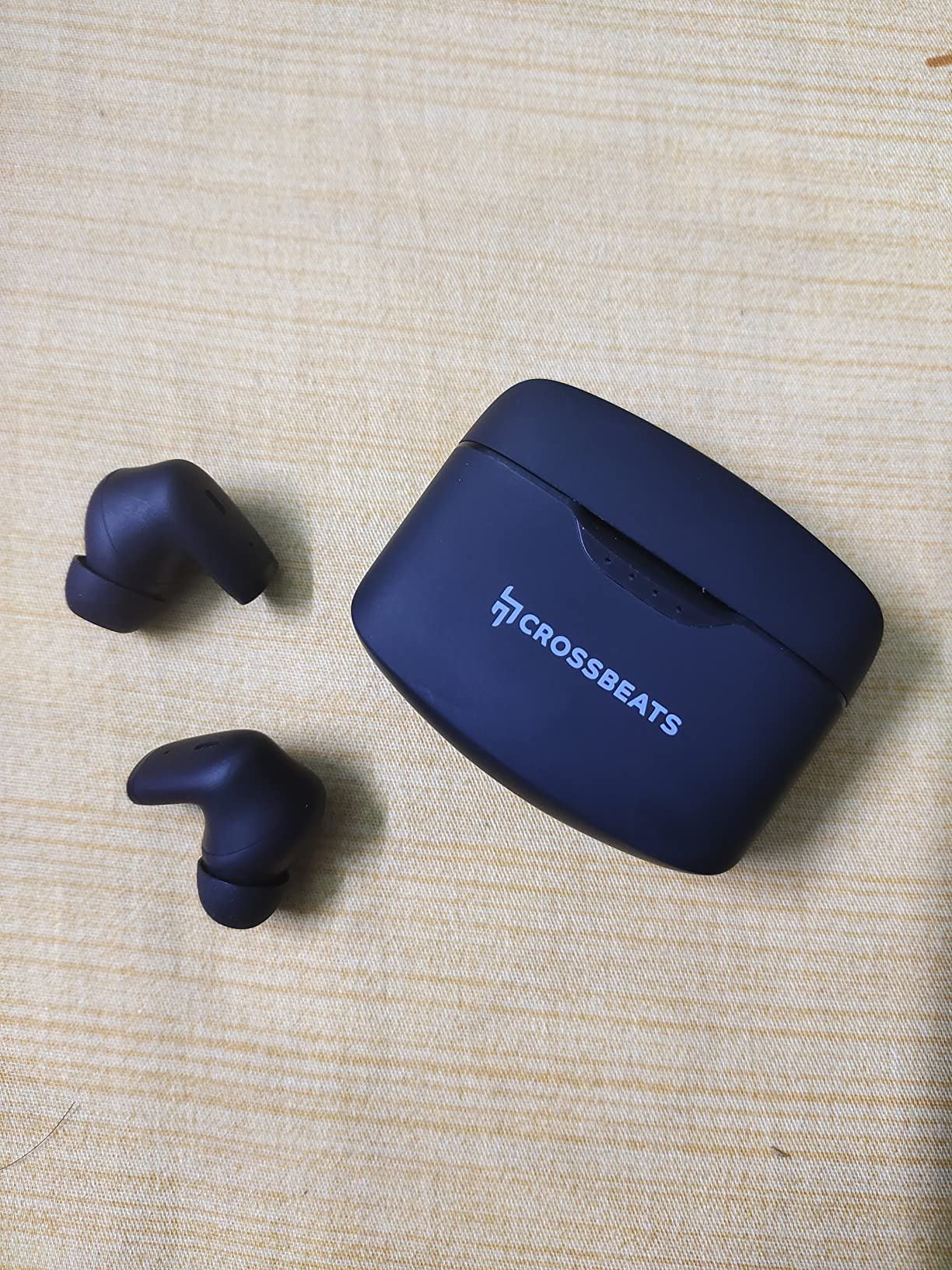
Wireless earbuds have quietly become one of the most-used pieces of technology in daily life. People wear them for music and podcasts, but also for phone calls, video meetings, language learning, and guided exercise. Their popularity comes from convenience. A small case in a pocket can provide hours of listening, quick pairing with a phone, and microphones good enough for clear conversation on a busy street. Improvements in battery life and sound quality have made even affordable models capable performers. For many commuters, students, and remote workers, earbuds now feel as essential as keys or a wallet when leaving the house each morning.
What the Evidence Shows
The technology continues to evolve in useful directions. Noise cancellation helps listeners focus in cafes and open offices, while transparency modes let in surrounding sound for safety when walking or cycling. Fit remains important, because comfort during long use matters more than headline features for most buyers. Manufacturers are also addressing sustainability, with replaceable tips, more durable cases, and recycling programmes for old models. Health features, such as listening-volume reminders, are appearing as well. As prices fall and quality rises, the choice for buyers is less about whether wireless earbuds are worthwhile and more about which balance of comfort, sound, and battery suits their routine. Reporting and analysis from sources such as IEEE Spectrum track the same developments, and specialists following wireless earbuds in everyday life say the direction is now consistent across independent lines of evidence.
The Wider Context
Adoption of wireless earbuds in everyday life follows a familiar pattern with an unfamiliar speed. Early users tolerate rough edges in exchange for advantage, mainstream users arrive when the tool disappears into existing workflows, and the market consolidates around whoever made that transition feel effortless. Vendors are racing less on raw performance now than on integration, support and trust.
What Happens Next
The realistic forecast for wireless earbuds in everyday life is steady integration rather than sudden replacement: embedded in products people already use, improving in increments, and regulated in proportion to its reach. The companies and institutions that plan on that basis, training staff and redesigning processes instead of chasing launches, are the ones the adoption data tends to vindicate. You can follow related developments in our coverage of technology.
It is also worth remembering how quickly the picture in this area has changed before. Positions that looked settled a few years ago have been revised as new data arrived, and the same humility is appropriate now. The strongest coverage of this subject, and the most useful advice, tends to come from sources that update their views openly when the facts move, rather than defending an earlier position long after it has stopped fitting the evidence available.
None of this will be settled by a single announcement, study or product launch. The pattern to watch is accumulation: independent confirmations, honest reporting of failures and steady improvement in the underlying numbers. Readers who follow those signals, rather than the loudest claim of the week, will understand this subject better than most of the commentary surrounding it suggests is possible.
